

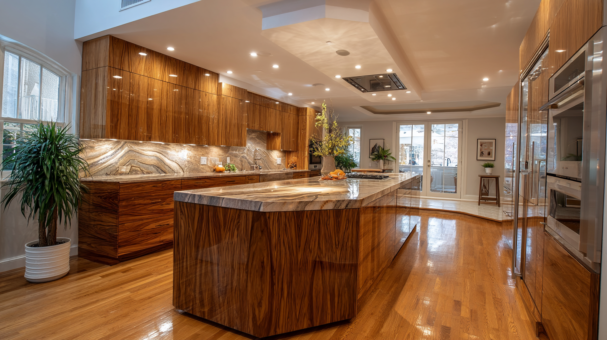
Kitchen remodeling remains one of the most popular home improvement projects in 2026, but it is also one of the most misunderstood when it comes to budgeting. Many homeowners begin the process expecting a simple price range, only to discover that kitchen renovation costs vary dramatically depending on materials, layout changes, labor, and project complexity.
Whether you are planning a basic cosmetic update or a complete luxury transformation, understanding where your money goes is essential before starting the project. From cabinetry and countertops to permits and labor, every decision impacts the final cost.
This guide breaks down what homeowners should realistically expect when remodeling a kitchen in 2026 and explains the biggest factors that influence pricing.
What Is the Average Cost to Remodel a Kitchen in 2026?
Kitchen remodeling costs continue to rise due to increased labor demand, material pricing, and the growing popularity of custom kitchen features.
In 2026, average kitchen remodeling costs generally fall into three categories:
- Small or basic kitchen remodel: $15,000 to $35,000
- Mid-range kitchen remodel: $35,000 to $75,000
- High-end luxury kitchen remodel: $75,000 to $150,000+
Smaller projects usually focus on cosmetic updates such as repainting cabinets, replacing countertops, updating hardware, and installing new appliances. Mid-range remodels often include semi-custom cabinetry, upgraded flooring, backsplash installation, and improved lighting.
Luxury remodels typically involve structural changes, fully custom cabinetry, premium appliances, smart technology integration, and high-end finishes throughout the space.
One of the biggest reasons kitchen remodeling costs vary so much is because no two kitchens are truly alike. Older homes may require plumbing or electrical upgrades, while larger kitchens naturally require more materials and labor.
Regional pricing also plays a major role. Labor rates, permit requirements, and material availability differ significantly depending on the market.
The Biggest Factors That Affect Kitchen Remodeling Costs
Understanding which elements drive the majority of the budget can help homeowners prioritize spending more effectively.
Cabinetry and Storage Solutions
Cabinets are often the single most expensive part of a kitchen remodel. Stock cabinets offer a more budget-friendly option, while semi-custom and fully custom cabinetry can significantly increase overall costs.
In 2026, homeowners are investing more in storage efficiency rather than simply adding more cabinets. Pull-out organizers, deep drawers, hidden trash systems, and soft-close hardware remain highly desirable upgrades.
Custom cabinetry offers greater flexibility for maximizing storage and improving workflow, but it also comes with increased labor and design costs.
Countertops and Surface Materials
Countertop pricing varies widely depending on the material selected.
Quartz remains one of the most popular options because of its durability and low maintenance requirements. Granite continues to attract homeowners looking for a natural stone appearance, while butcher block surfaces remain popular in warm, modern kitchen designs.
Budget-conscious remodels often use laminate or prefabricated countertop systems to reduce costs while still improving appearance.
Material thickness, edge profiles, and custom fabrication details can also increase pricing quickly.
Appliances and Fixtures
Modern kitchens increasingly revolve around convenience and energy efficiency.
Popular upgrades in 2026 include:
- Smart refrigerators
- Induction cooktops
- Touchless faucets
- Built-in coffee systems
- Integrated ventilation
While appliance upgrades can improve both functionality and resale value, they can also consume a large portion of the remodeling budget if not planned carefully.
Flooring and Finishing Work
Flooring costs depend on both the material selected and the condition of the existing subfloor.
Luxury vinyl plank flooring continues to grow in popularity because it offers durability, water resistance, and a lower price point compared to hardwood.
Tile flooring remains common in high-moisture kitchens, while engineered hardwood continues appealing to homeowners wanting a seamless transition between kitchen and living spaces.
Backsplashes, trim work, lighting installation, and paint also contribute to the overall project cost.

Labor Costs and Contractor Pricing
Labor remains one of the most significant expenses in a kitchen remodel because multiple skilled trades are often involved throughout the process.
Electricians, plumbers, tile installers, cabinet installers, painters, and finish carpenters may all be required depending on the scope of the renovation.
Complex projects involving layout changes typically cost more because they require:
- Plumbing relocation
- Electrical rewiring
- Structural adjustments
- Permit coordination
- Additional inspection requirements
For homeowners planning larger renovations or structural kitchen upgrades, working with experienced Kitchen Remodelers can help reduce costly mistakes and improve long-term project quality.
When DIY Can Save Money
Some homeowners choose to complete portions of the remodel themselves to reduce labor costs.
DIY-friendly tasks may include:
- Painting walls or cabinets
- Minor demolition
- Installing hardware
- Basic trim work
However, projects involving electrical systems, plumbing, or structural modifications are usually better left to licensed professionals.
Mistakes in these areas can lead to safety hazards and expensive repairs later.
Hidden Kitchen Remodeling Costs Homeowners Often Forget
Many kitchen remodeling budgets fail because homeowners focus only on visible upgrades without accounting for hidden expenses.
Permit Fees and Inspections
Depending on the project scope, permits may be required for:
- Electrical work
- Plumbing changes
- Structural modifications
- Gas line installation
Permit costs vary by location but can quickly add several thousand dollars to a remodel budget.
Unexpected Structural Problems
Once demolition begins, contractors often discover issues hidden behind walls or under flooring.
Common surprises include:
- Water damage
- Mold
- Outdated wiring
- Improper framing
- Plumbing leaks
Older homes are especially likely to reveal unexpected repair needs during remodeling.
Timeline and Temporary Living Costs
Kitchen remodels frequently take longer than homeowners initially expect.
Delays may occur due to:
- Material shortages
- Backordered appliances
- Permit delays
- Contractor scheduling conflicts
Some families also spend more on dining out or temporary cooking arrangements during renovation periods.
Smart Ways to Reduce Kitchen Remodeling Costs
A successful kitchen remodel does not always require an unlimited budget. Strategic planning can help homeowners reduce costs while still achieving a major visual and functional improvement.
Keep the Existing Layout
One of the easiest ways to reduce remodeling expenses is by keeping plumbing and electrical systems in their current locations.
Moving sinks, gas lines, or appliances often increases labor and permit costs significantly.
Maintaining the original layout while upgrading finishes can still create a dramatic transformation.
Mix Premium and Budget-Friendly Materials
Not every element in the kitchen needs to be top-of-the-line.
Many homeowners save money by combining:
- Mid-range cabinetry with premium countertops
- Luxury hardware with affordable flooring
- Custom islands with stock perimeter cabinets
This balanced approach allows homeowners to prioritize the features that matter most.
Reface Cabinets Instead of Replacing Them
If existing cabinet boxes remain structurally sound, refacing can provide a fresh appearance without the expense of full replacement.
Cabinet refacing typically includes:
- New doors
- Updated hardware
- Fresh veneer or paint
- Modern finishes
This option works best when the existing layout already functions well.
Plan the Entire Project Before Construction Begins
Last-minute design changes are one of the biggest causes of budget overruns.
Finalizing layouts, materials, and appliance selections before construction starts helps minimize delays and unexpected costs.
Careful planning also allows homeowners to compare pricing more effectively before committing to purchases.
Popular Kitchen Remodeling Trends in 2026
Kitchen design trends continue evolving toward functionality, comfort, and personalization.
Multi-Functional Kitchen Spaces
Modern kitchens increasingly serve as:
- Dining spaces
- Work-from-home areas
- Entertainment hubs
- Family gathering spaces
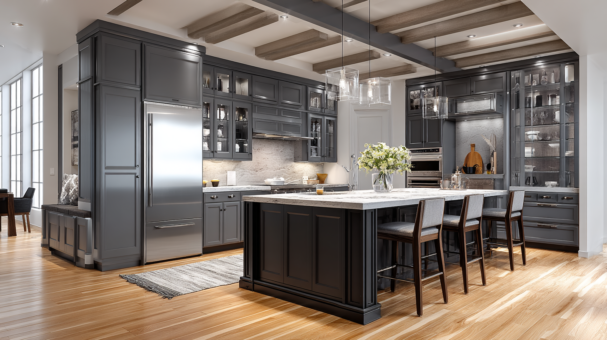
Large islands with seating remain one of the most requested features in new remodels.
Warm and Natural Material Choices
Bright white kitchens are gradually giving way to warmer tones and textured materials.
Popular 2026 trends include:
- Natural oak finishes
- Earth-tone cabinetry
- Matte textures
- Mixed metal hardware
- Stone-inspired surfaces
Homeowners researching design ideas, layouts, and local remodeling inspiration often explore resources like Kitchen Search before finalizing their kitchen renovation plans.
Smart Kitchen Features
Technology continues playing a larger role in modern kitchens.
Features gaining popularity include:
- Smart lighting systems
- Voice-controlled appliances
- Touchless fixtures
- Charging drawers
- Integrated storage automation
These upgrades improve convenience while helping kitchens feel more modern and efficient.

Is a Kitchen Remodel Worth the Cost?
For many homeowners, kitchen remodeling offers both financial and lifestyle benefits.
Updated kitchens remain one of the most attractive features for homebuyers, often improving resale value and marketability.
Beyond resale considerations, a functional kitchen can dramatically improve daily life through:
- Better storage
- Improved workflow
- Increased comfort
- Enhanced lighting
- More usable gathering space
The long-term value of a kitchen remodel often comes down to quality workmanship, thoughtful planning, and selecting durable materials that will perform well for years.
Final Thoughts
So, how much does it cost to remodel a kitchen in 2026? The answer depends on the size of the project, the quality of materials, labor complexity, and the homeowner’s overall goals.
While costs can vary widely, the most successful kitchen remodels are usually the result of careful planning rather than simply spending more money. Understanding where to invest, where to save, and how to avoid common mistakes can help homeowners create a kitchen that is both functional and financially worthwhile.
Whether you are planning a simple refresh or a full-scale renovation, approaching the project with realistic expectations and a clear budget will help ensure a smoother remodeling experience from start to finish.