A good walkway makes it easier to move around your property. It provides a clear route to your front door and connects outdoor spaces without forcing people to walk across wet grass or uneven ground.
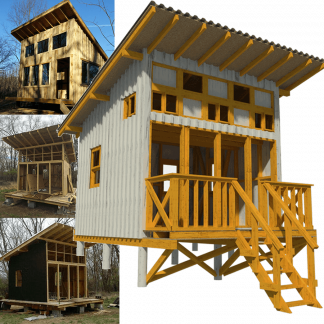
Improving outdoor access starts with a few practical changes. Choose a suitable walking surface, repair damaged areas, and keep pathways clear. Pay attention to drainage and lighting as well. Whether you are upgrading an existing entryway or building shed with porch plans, these improvements can make daily movement easier while giving your home’s exterior a more finished look.
You don’t always need to rebuild an existing walkway. A few repairs may be enough to improve it. Whether you repair or replace it depends on the walkway’s condition and how you use the space around your home.
Start With the Routes You Use Most
Before changing anything, take a walk around your property. Consider the routes you regularly take when moving around your property.
The walkway connecting your driveway to the front door should be a priority. You may also need access to a garden shed, backyard seating area, or garage.
Look for places where the current layout makes walking awkward. Perhaps the path takes an unnecessary turn. Maybe you have to step onto the lawn to reach your garden.
A direct route often works best, but it should also follow the natural layout of your yard. If the ground slopes, a slightly longer path may be more comfortable than a steep shortcut.
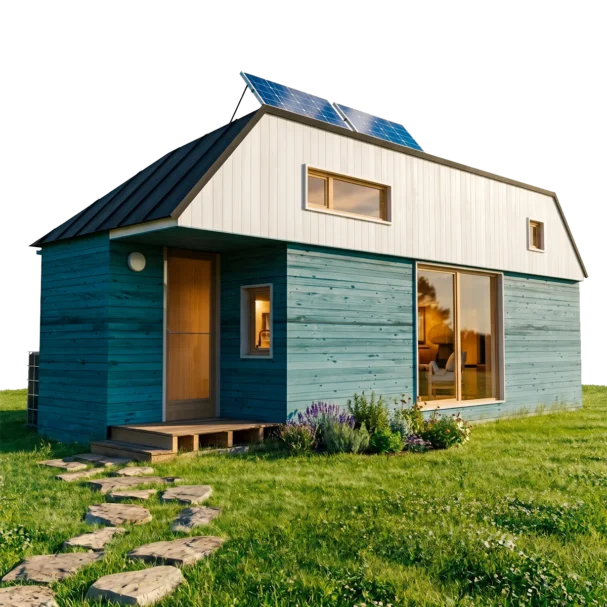
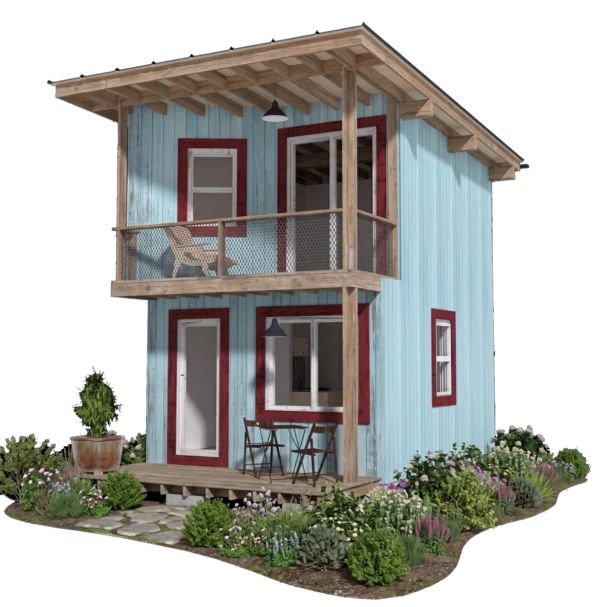
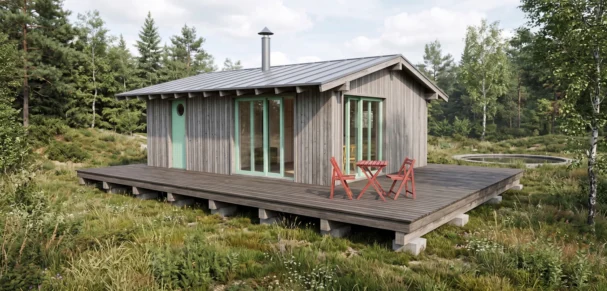
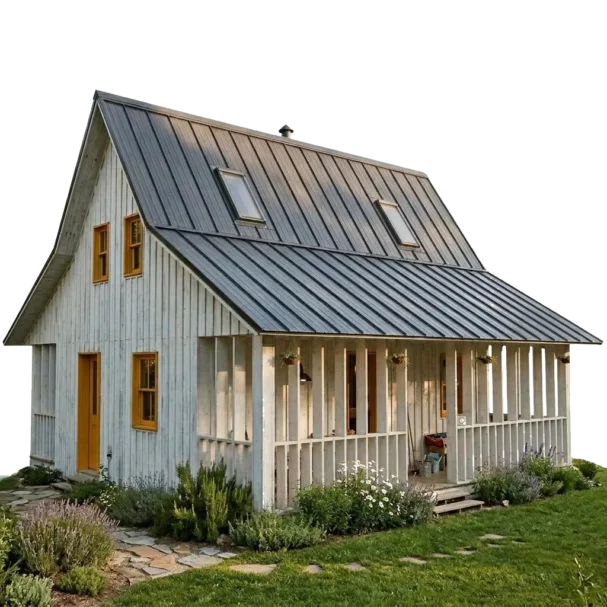
For smaller homes, thoughtful placement matters even more. A well-planned walkway can connect different outdoor areas without taking up too much usable space.
Choose a Surface That Suits Your Property
The material you choose affects how the walkway looks and how much maintenance it needs.
There isn’t one surface that works for every home. Consider the amount of foot traffic and the weather in your area before making a decision.
Concrete is a practical option for frequently used paths. It creates a firm walking surface and works well around entrances and driveways. A properly installed concrete walkway can last for many years.
Pavers offer more flexibility in design. They come in different shapes and finishes, making them useful for garden paths and decorative entrances. Individual pavers can also be lifted and reset if the ground settles.
Gravel works well for informal garden paths. It is often more affordable than paved surfaces, but loose stones can shift underfoot. This makes ordinary loose gravel less suitable for people who use wheelchairs or walking aids.
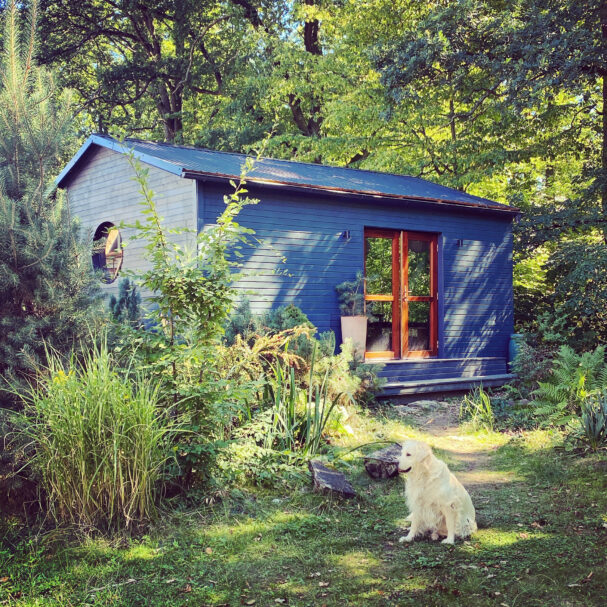
For a small house or cabin, try to choose a surface that fits the building’s style without making the outdoor area feel crowded.
Whatever material you prefer, proper ground preparation matters. Even an attractive walkway can develop problems if the base underneath is unstable.
Repair Damaged Walkways Before They Become a Bigger Problem
Older walkways often show signs of wear. You might notice cracked concrete, raised edges, or sections that have started to sink.
These issues deserve attention because they can make walking uncomfortable or increase the risk of tripping.
The right repair depends on what caused the damage.
Small cracks may be suitable for sealing or patching if the surrounding concrete is still sound. A sunken section may need to be lifted or rebuilt. If the concrete has broken into several pieces, replacing the affected section may be the better option.
It is worth checking the ground beneath the walkway before making repairs. Poor drainage or an unstable base can cause the same problem to return.
Homeowners dealing with extensive damage can consider professional sidewalk repair and replacement services to assess the condition of the concrete and determine whether repairs or replacement would provide a lasting solution.
Don’t assume that every visible crack requires a complete replacement. A proper assessment can help you avoid unnecessary work.
Make Walkways Easier for Everyone to Use
A walkway should feel comfortable for anyone entering your home. That includes children, older visitors, and people who have difficulty using steps.
Start with the width. A narrow path may work for occasional garden use, but a main entrance benefits from more room.
Under the U.S. Access Board’s accessibility standards, accessible walking routes generally need a clear width of at least 36 inches. Wider paths can make movement and turning more comfortable, particularly for wheelchair users.
Changes in height also matter. Raised edges and sudden drops can become obstacles. Where possible, use gentle slopes instead of abrupt steps.
If your entrance needs a ramp, make sure its slope and landings are properly designed. A ramp that is too steep can be difficult to use even when it replaces a staircase.
These standards do not automatically apply to every private residential walkway. Local building requirements may differ, so check the rules for your project before making structural changes.
Keep Water Away From Walking Areas
A walkway that stays wet after every rainfall can become slippery and unpleasant to use.
Water may collect because the surface has settled or the surrounding ground drains toward the path. Blocked downspouts and poorly placed landscaping can make matters worse.
Watch what happens during a heavy shower. If puddles remain in the same spots, you may have a drainage problem worth investigating.
A walkway should have enough slope to shed water without creating an uncomfortable walking surface. Runoff should move away from the house rather than toward its foundation.
Sometimes adjusting the nearby soil or redirecting a downspout will help. More serious drainage problems may require work beneath the path.
Avoid using a steep slope simply to move water away faster. Good drainage and comfortable access need to work together.

Improve Visibility With Outdoor Lighting
Even a smooth walkway can be difficult to navigate when the area is poorly lit.
Lighting is particularly useful near steps, entrances, and changes in direction. It helps people see where they are walking after dark.
You don’t need powerful floodlights to achieve this. Low-level path lights can provide useful guidance without overwhelming a small yard.
For frequently used entrances, wall-mounted fixtures may offer better illumination than decorative garden lights. Motion-activated lighting is another option for areas you don’t need to keep lit all night.
Place fixtures carefully so they illuminate the walking surface without shining directly into someone’s eyes.
Remember to check the path from both directions. A light that works well when leaving the house may create glare when approaching it.
Keep Plants and Outdoor Features From Blocking the Path
Landscaping can make a walkway more attractive, but it shouldn’t interfere with access.
Shrubs often grow wider than expected. Tree branches can also extend over paths as they mature.
Choose plants with their full-grown size in mind. Leave enough distance between planting beds and the walkway so people can pass without brushing against leaves or branches.
Pay attention to roots near paved areas. As trees grow, roots may lift sections of paving or create uneven surfaces.
Outdoor furniture and planters need similar consideration. They may look appealing beside a walkway, but they shouldn’t reduce the space needed to move comfortably.
In a small yard, keeping the route simple often produces a better result than adding too many decorative features.
Maintain Your Walkways Throughout the Year
Once your walkway is in good condition, regular maintenance will help it stay that way.
Clear away leaves and debris before they build up. Wet leaves can make smooth surfaces slippery, especially during fall.
Check paved areas for movement after periods of heavy rain or freezing weather. Catching a loose paver or developing crack early may prevent a more expensive repair.
For concrete paths, use cleaning methods suitable for the surface. Avoid harsh pressure washing that can damage joints or weaken already deteriorating areas.
If you live somewhere with snow and ice, use a deicer that is appropriate for your walkway material. Some products can damage concrete or surrounding plants.
A quick inspection every few months is usually more useful than waiting until a problem becomes difficult to ignore.
Final Thoughts
Improving walkways and outdoor access doesn’t have to involve a major landscaping project.
Focus first on the walkways and outdoor spaces you use most often. Fix damaged surfaces, make sure the routes are comfortable to follow, and address anything that makes walking difficult.
For a small home, a well-designed path can make the outdoor space feel more connected and practical. For a larger property, the same principles help create clear access between different areas.
The goal is simple: make it easier for people to move around your home safely and comfortably.